Reviewed September 9, 2026. The September rule proposal remains under review; this article separates it from current program guidance.
The proposed My Safe Florida Home changes published September 1 deserve a closer look if you are planning hurricane shutters in Southwest Florida. They address applications, property records and how the program evaluates improvements. For a homeowner, the useful question is how those details relate to an inspection report and a planned shutter project.
The Florida Department of Financial Services published the official proposal notice for rule 69J-7.001. It lists a public-comment period through September 22, 2026. That is a rulemaking comment deadline, not a deadline to apply for a homeowner grant.
As of our September 9 review, the state’s rule history still identifies the September notice as proposed. Separately, the Legislature has already amended the program through Chapter 2026-174, which became law June 26. A pending administrative rule does not mean every program requirement is waiting to take effect.
Proposed My Safe Florida Home changes at a glance
The September proposal, pages 3812–3813, would put several homeowner-facing points into the rule text:
- Property and ownership checks: eligibility would use county property-appraiser records, and a new owner would need a new application rather than inherit the previous owner’s eligibility.
- Approval before construction: a grant application or payment request would be denied if construction starts before grant approval.
- Existing opening protection: inspection findings and evidence of protection would determine which openings can be recommended for funded improvements.
- Difficulty installing existing shutters: applicants unable to install identified protection because of age or disability could receive an improvement recommendation, subject to the stated conditions.
These are proposed rule provisions. Some subjects already appear in the program’s current guidance, so the notice should not be read as a new benefit announcement.
For your own planning, separate three questions: which requirements currently apply, what your inspection recommends, and what the program has approved for your application. A news headline cannot answer all three. Keep the program’s response with your project records so the estimate and installation schedule can follow the same information.
What the program already tells homeowners about shutters
Existing protection affects the funding question
The program’s current eligible-improvements guidance says funded work must be recommended in the initial inspection and observed in the final inspection. For opening protection, the recommendation applies to specific openings. Its general guidance also says a grant cannot simply exchange compliant shutters for impact windows.
That makes the inspection report a useful starting document when comparing hurricane shutter options. Identify the windows and doors you want to discuss, and ask which are included in your program recommendation. If the report and your expectations differ, ask the program to explain the difference before you treat the whole project as eligible work.
Difficulty putting up panels deserves a specific question
The program already has guidance for applicants unable to install protection because of age or disability. It describes a possible recommendation for certain applicants who cannot install existing devices that are not permanently attached to the home. It specifies being over age 60 or providing one of the listed forms of disability documentation, along with the other conditions.
This is more specific than a promise of new shutters for every older homeowner. Describe the equipment you have, what you cannot manage and what the inspector recorded. Ask the program whether that guidance applies to your application. Product convenience and grant eligibility are separate questions, even when both matter to the same household.
An inspection recommendation is not grant approval
The grant-eligibility guidance warns that projects completed before grant approval will be denied funding. The proposal would expressly address construction beginning before approval. If you expect to use program funds, confirm the required approval and permitted sequence with the program before work starts.
Avoid treating an inspection appointment, a contractor’s estimate or a submitted application as a substitute for that confirmation. Tell the installer that your schedule depends on a program decision. Discuss how an approval delay would affect ordering and installation before you commit to dates you may need to change.
Prepare a shutter estimate around the actual project
You can make a contractor conversation more productive while you are resolving program questions. Begin with an opening-by-opening list rather than a request to replace everything for one total price. Include the room or location, the existing protection and the type of system you want to discuss.
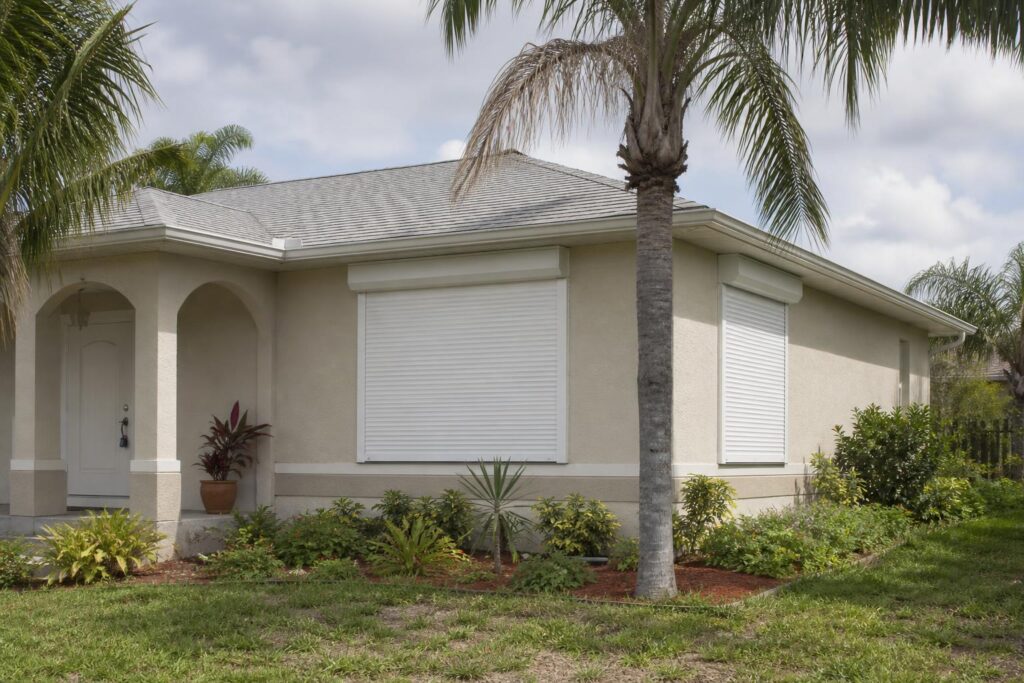
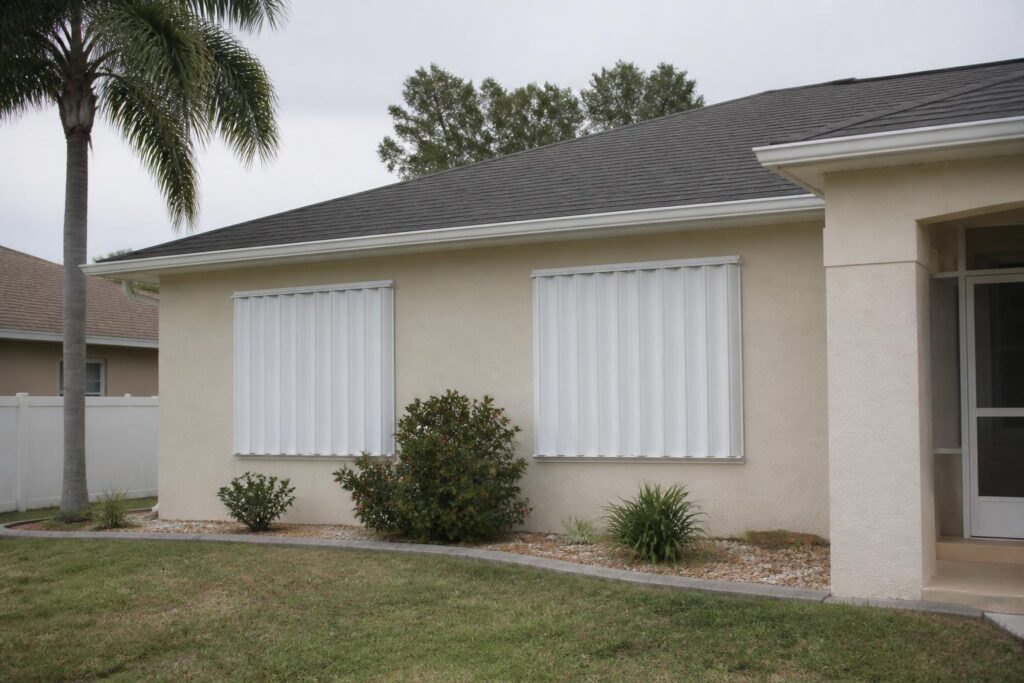
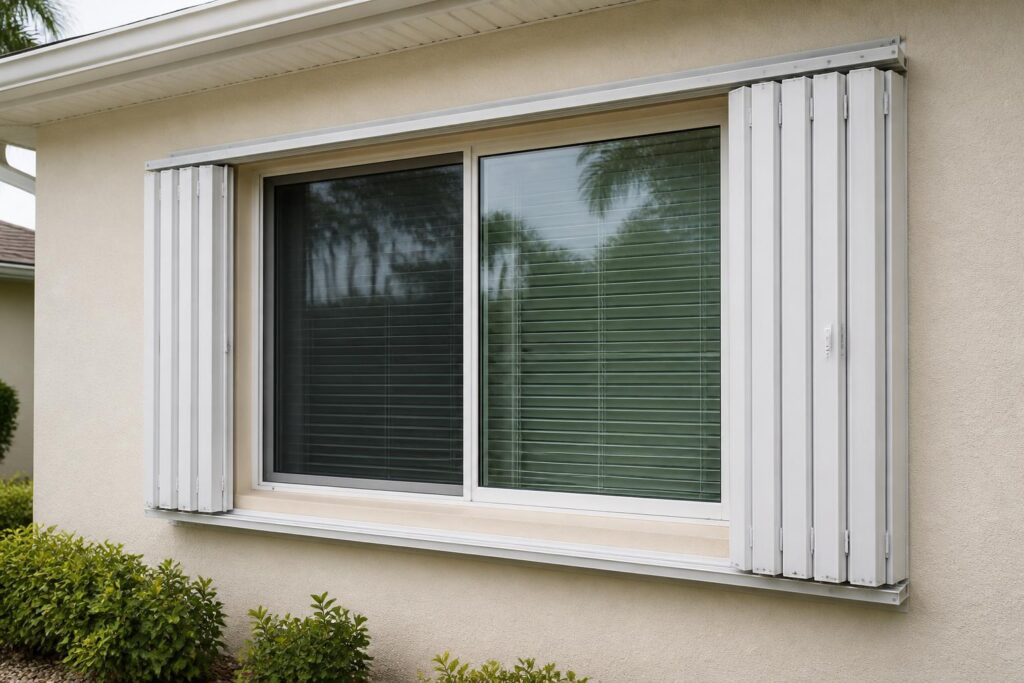
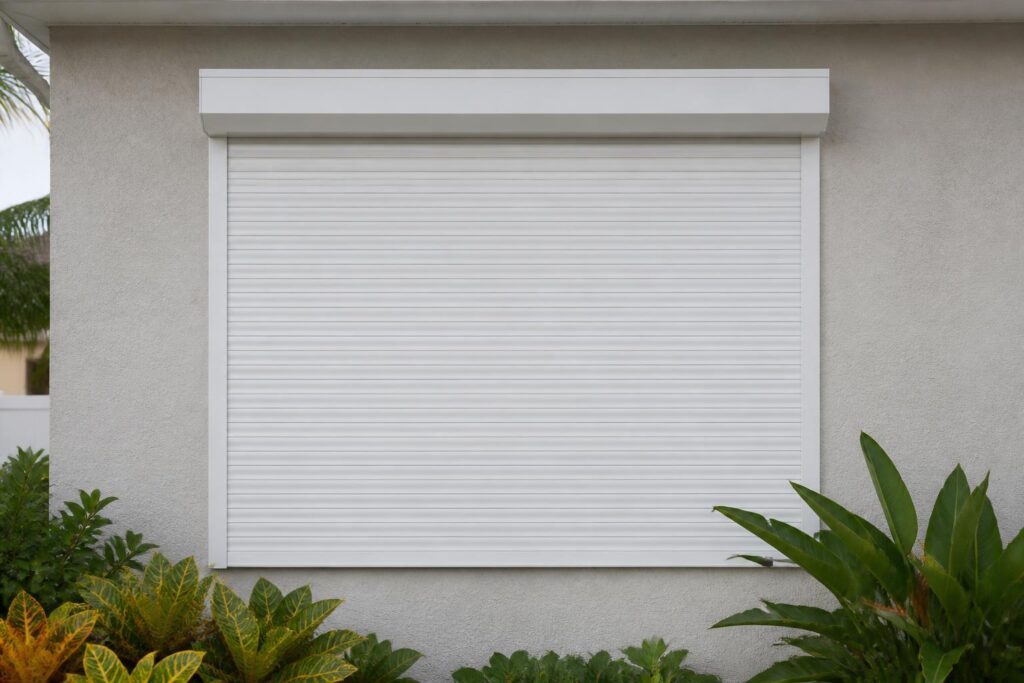
For example, a homeowner might have panels for bedroom windows and a roll-down shutter across another opening. The estimate should make it easy to tell which work belongs to each location. This is a planning example, not a determination that either opening qualifies for assistance.
Bring your initial inspection report and any program response that identifies the work you can pursue. Ask the contractor to distinguish the recommended work from additional options you would consider paying for separately. A clear estimate makes it easier to ask the program about a particular item instead of trying to interpret a single lump sum.
Useful questions for the estimate include:
- Which exact openings and shutter systems does each line item cover?
- What installation work is included, and what work would be additional?
- Who handles the permit application and the required project inspections?
- What product information and installation records will I receive?
- What happens to the schedule if the program has not approved my application?
- How would a requested change in product or opening count be documented?
Ask about operation as well as appearance. If lifting panels is difficult, explain that during the product discussion. If you leave Florida seasonally, discuss who will operate the protection when you are away. These practical details help define the project you want; they do not establish what the state will fund.
The official contractor FAQ says the program’s former authorized-contractor list ended June 30, 2024. An old program badge or listing should not replace checking current credentials and application requirements. Request the contractor’s name and license information, then confirm with the program what it needs for your file.
Keep the written estimate, any revisions and your approval correspondence together. Once a project is complete, our guide to insurance paperwork after shutter installation can help organize a separate conversation with your insurer. Ask the insurer to explain any premium adjustment; a shutter estimate should not build in an assumed insurance saving.
Frequently asked questions about the September proposal
Is September 22 a grant-application deadline?
No. September 22 is the comment-period end date listed on this proposed-rule notice. The program publishes application information separately. Its funding FAQ currently says it is accepting applications, but homeowners must follow the applicable application steps. That statement does not guarantee an award or reserve money for a particular project.
Does the proposal mean I should delay every shutter project?
The notice alone does not answer that. First decide whether your project depends on program funding. If it does, ask the program about approval and timing before work starts. If you plan to fund the work yourself, explain that to the contractor and discuss your project needs and schedule on that basis. Do not assume a privately funded installation can receive reimbursement later.
Who should answer questions about my eligibility?
Ask the My Safe Florida Home program through its official support channels or call 850-427-2559. Include your application details and the relevant inspection findings. Your installer can explain the proposed shutter system and estimate; the program must address the requirements that apply to your funding request.
For a shutter project in Fort Myers Beach or elsewhere in Lee, Charlotte or Collier County, contact Hurricane Shutter Co. at (239) 466-7577. Bring your inspection report and the openings you want to discuss so we can talk through the shutter work and prepare an estimate around that scope.
Images are AI-generated illustrations.
Related Hurricane Protection Services
Explore the service pages and buying resources most closely tied to this topic.