
Storm Protection Comparison
Hurricane Screens vs Shutters
Compare fabric-based hurricane screens and traditional hurricane shutters side by side so you can choose the right storm protection for your Southwest Florida home.
Which System Is Right for Your Home?
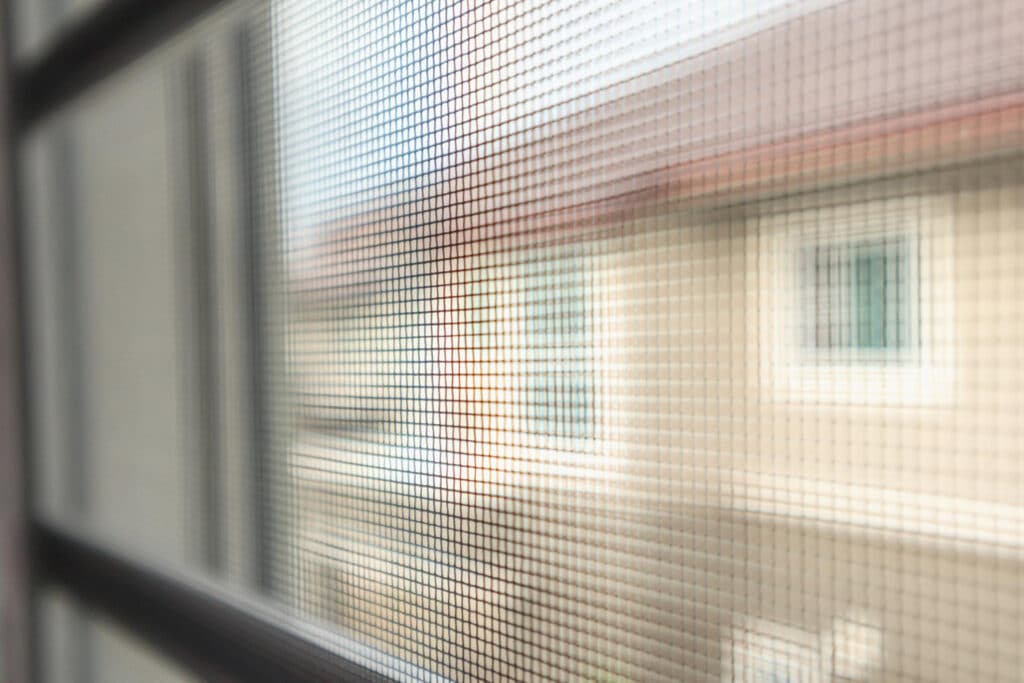
Homeowners across Fort Myers, Cape Coral, and Bonita Springs now have more storm-protection choices than ever. Fabric-based hurricane screens have gained popularity as a lighter, more affordable alternative to traditional metal shutters, but the two systems protect your home in very different ways.
This guide compares hurricane screens and hurricane shutters across every factor that matters — protection level, cost, ease of use, aesthetics, durability, and insurance qualification — so you can make the right decision before hurricane season.
01.
What Are Hurricane Screens?
Hurricane screens are fabric-based storm-protection systems made from high-strength synthetic materials such as PVB-coated polyester or polypropylene. They deploy across windows, doors, lanais, and patio openings to absorb and deflect wind-borne debris during a hurricane. Unlike rigid metal shutters, screens flex on impact rather than resist it, which allows them to absorb energy without transferring it to the mounting structure. Most hurricane screen systems roll up into a compact housing when not in use and deploy manually in minutes. Popular screen brands in Southwest Florida include FabriGuard, Armor Screen, and Storm Smart’s manual screen line. These systems have become increasingly common over the past decade as material science has improved and Florida Building Code testing has validated their performance.
02.
What Are Hurricane Shutters?
Hurricane shutters are rigid, metal-based storm-protection systems — typically made from aluminum, steel, or polycarbonate — that physically cover and seal openings against hurricane-force winds and debris impact. The four main shutter types used in Fort Myers and Southwest Florida include: • Accordion shutters: permanently mounted tracks that fold closed across the opening from one or both sides. • Roll down shutters: motorized or manual systems that lower from a housing above the opening, offering the strongest protection and everyday security. • Bahama shutters: top-hinged decorative aluminum panels that prop open for shade and close flush for storms. • Storm panels: removable corrugated aluminum or steel panels that bolt onto pre-installed tracks. Hurricane shutters have been the standard for storm protection in Florida for decades. They are well-understood by insurance companies, home inspectors, and code officials.
03.
Side-by-Side Comparison
Here is how hurricane screens and hurricane shutters compare across the factors that matter most to Southwest Florida homeowners: • Wind protection: Both systems are tested and approved under the Florida Building Code for hurricane-force winds. Shutters — particularly roll down and accordion types — generally offer higher missile-impact ratings. Screens meet code requirements but rely on flexibility rather than rigid resistance. • Cost: Hurricane screens typically cost less per square foot than metal shutters. Storm panels are the most affordable shutter option, while motorized roll downs are the highest investment. Screens often fall between storm panels and accordion shutters in total project cost. • Ease of use: Screens deploy quickly — most homeowners can cover an entire house in under an hour. Accordion and roll down shutters are also fast to deploy. Storm panels require the most hands-on effort and storage space. • Aesthetics: Screens are nearly invisible when stored. Bahama shutters add decorative value year-round. Roll down housings and accordion tracks are visible but unobtrusive. Storm panels are stored off-site when not in use. • Durability and lifespan: Metal shutters typically last 15 to 25 years or more with minimal maintenance. Hurricane screen fabric is rated for 5 to 10 years before replacement may be needed, though hardware lasts much longer. • Maintenance: Screens require periodic inspection for tears, UV degradation, and strap wear. Metal shutters need occasional lubrication and track cleaning, especially in salt-air environments like Fort Myers Beach and Sanibel. • Insurance qualification: Both systems can qualify for wind-mitigation credits when properly installed and documented. However, some insurance carriers have more established protocols for metal shutters, so homeowners should verify with their provider. • Florida Building Code compliance: Both hurricane screens and shutters are tested and approved under the Florida Building Code when installed by a licensed contractor with proper product approvals (NOA or FL approval number).
04.
When Screens Make Sense vs When Shutters Are Better
Hurricane screens tend to be a good fit when: • You need to cover large lanai or patio openings where traditional shutters would be impractical or prohibitively expensive. • You want a lighter system that one person can deploy without tools. • Budget is a primary concern and you need code-compliant protection at a lower price point. • Your HOA requires a clean look when storm protection is not deployed. Hurricane shutters tend to be the better choice when: • You want the highest possible impact resistance, especially in high-velocity hurricane zones. • You need everyday security, privacy, or light control in addition to storm protection (roll down shutters). • You prefer a permanent system with a 15 to 25 year lifespan and minimal replacement costs. • You live in a direct coastal area like Fort Myers Beach or Sanibel where salt exposure demands metal durability. • Your insurance carrier specifically requires metal shutters for full wind-mitigation credit. Many Southwest Florida homeowners end up using both — shutters on windows and doors, and screens on larger lanai and patio enclosures.
05.
Southwest Florida Considerations
Living in Lee and Charlotte County means your storm protection faces year-round challenges beyond hurricane season: • Salt air corrosion: Coastal homes from Fort Myers Beach to Sanibel to Cape Coral deal with constant salt exposure. Aluminum shutters with marine-grade anodized or powder-coated finishes handle this well. Screen fabric is naturally corrosion-resistant, but hardware and mounting brackets still need corrosion-rated fasteners. • Hurricane intensity: Southwest Florida sits in one of the highest-risk hurricane zones in the country. After Hurricane Ian in 2022, many homeowners upgraded from basic protection to higher-rated systems. Roll down shutters and accordion shutters offer the highest tested impact ratings available. • HOA requirements: Many communities in Estero, Bonita Springs, and gated neighborhoods in Fort Myers have strict rules about exterior appearance. Bahama shutters satisfy both storm-protection and aesthetic requirements. Screens are nearly invisible when retracted. Some HOAs restrict storm panels because of how they look when deployed. • Building code zone: Homes within the Wind-Borne Debris Region (WBDR) of the Florida Building Code require approved opening protection. Both screens and shutters meet this requirement when properly installed with valid product approvals.
06.
Why We Offer Both Screens and Shutters
Hurricane Shutter Co. has been protecting Southwest Florida homes since 1979. We started with traditional hurricane shutters and added manual screen systems because our customers asked for them — and because they make sense for certain applications. We are not a screen company trying to sell you screens, and we are not a shutter company trying to talk you out of them. We are a Florida Certified General Contractor (CGC1506749) with 45+ years of experience recommending the right system for each opening on your home. Our product line includes accordion shutters, Bahama shutters, roll down shutters, storm panels, manual screens, and Raybloc awnings. That means we can design a mixed system that puts the right protection on every window, door, lanai, and patio opening — optimized for budget, performance, and appearance. Every installation comes with proper permitting, Florida Building Code compliance, and the documentation your insurance company needs for wind-mitigation credits.

Not Sure Which System Is Right for You?
Schedule a free in-home consultation and we’ll measure every opening, explain which system works best for each one, and give you a project-specific estimate. Call us at 239-466-7577 or fill out the form above.
Frequently Asked Questions
Both systems are tested and approved under the Florida Building Code for hurricane-force winds and debris impact. However, they protect differently. Metal shutters resist impact with rigid strength, while screens absorb impact through flexibility. Roll down and accordion shutters generally achieve higher missile-impact ratings, making them the preferred choice for maximum protection in high-velocity hurricane zones.
Yes, hurricane screens can qualify for wind-mitigation credits when they are properly installed with valid Florida product approvals and documented by a licensed inspector. However, some insurance carriers have more established protocols for metal shutters, so it is important to confirm with your provider before making a decision based on insurance savings alone.
Absolutely. Many Southwest Florida homeowners use a combination — metal shutters on windows and entry doors for maximum impact protection, and screens on large lanai or patio openings where traditional shutters would be impractical or too expensive. Hurricane Shutter Co. designs mixed systems like this regularly and can recommend the best combination for your home.
Hurricane screen fabric is typically rated for 5 to 10 years before it may need replacement, though the mounting hardware lasts much longer. Metal hurricane shutters — accordion, roll down, Bahama, and storm panels — generally last 15 to 25 years or more with basic maintenance like lubrication and track cleaning, especially important in salt-air environments near the coast.
Hurricane protection options
Compare Storm Protection Systems
Dive deeper into the screen and shutter options available from Hurricane Shutter Co.