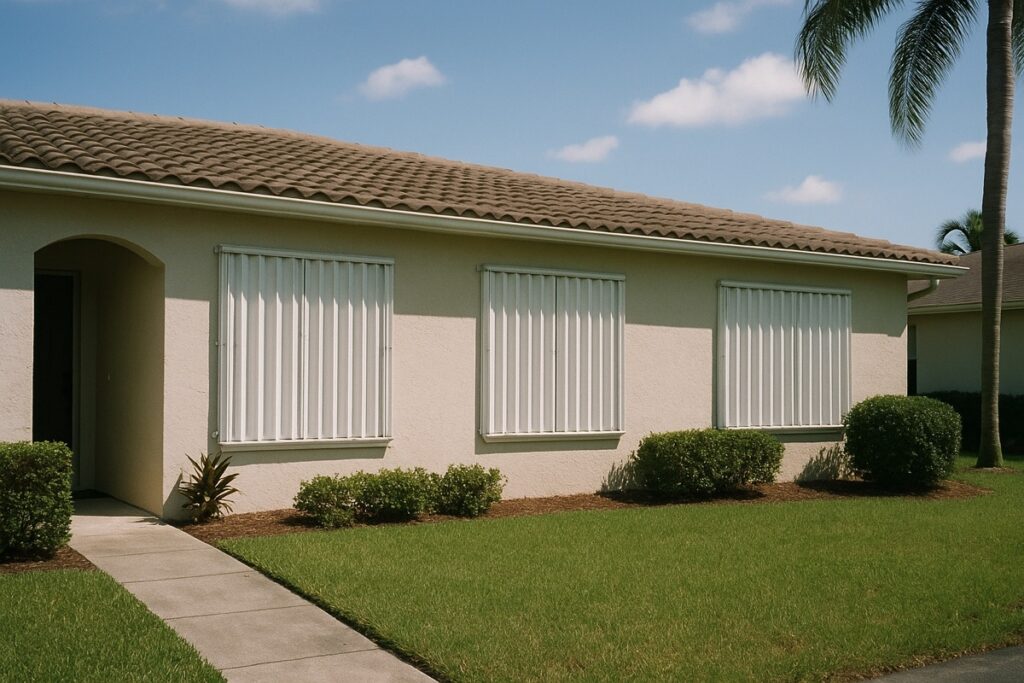
Once hurricane shutters are installed, the next job is to organize the records that show what was added to the home. A paid invoice alone may not give an insurance company or wind-mitigation inspector everything needed to evaluate the work. Product approvals, permit information, opening details, photos, and inspection records can all play a role, depending on the property and the insurer.
Good insurance paperwork after hurricane shutter installation makes future conversations easier. It gives the homeowner a clear file to share when a policy renews, when a wind-mitigation inspection is scheduled, or when the property is sold. The insurer and qualified inspector still determine what documentation they will accept and whether the installation affects policy pricing, so the goal is a complete, accurate record rather than a promised discount.
Build a Shutter Installation File Before Documents Get Scattered
Start one digital folder and one paper folder for the project. Save the final contract or invoice, proof of payment, installation date, contractor contact information, and the name used on the permit. If the work covered only certain openings, write down which windows, doors, sliders, or lanai areas were included. That distinction can matter when someone later reviews whether the home has complete or partial opening protection.
Ask for the product name and model or system type used on each group of openings. Keep copies of the applicable Florida product approval or Miami-Dade Notice of Acceptance when one applies, along with installation instructions or other manufacturer documents supplied with the project. These records help connect the product on the home to its approved specifications; they do not replace verification that it was installed correctly.
- Signed contract and final paid invoice
- Installation completion date and contractor contact details
- Permit number, permit record, and final inspection status when permitting applied
- Product approval or Notice of Acceptance documents for the installed systems
- A list of protected openings and the shutter type used at each one
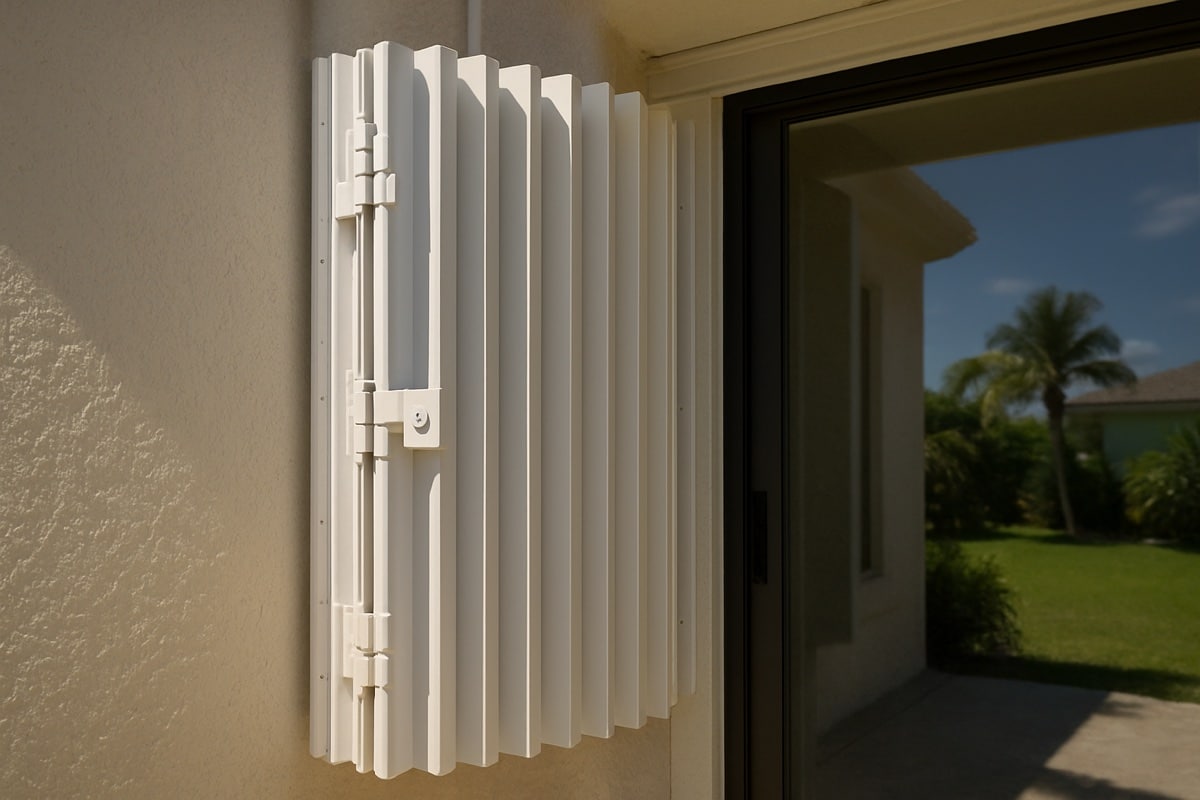
- Clear photos of the completed systems, labels, tracks, fasteners, and operating hardware
- Operating, maintenance, and service information supplied with the shutters
Keep the original files rather than relying on a link that may change. Name digital files clearly, such as “front-entry-accordion-product-approval” or “permit-final-inspection,” and back the folder up somewhere separate from the home. Storm preparation is not the time to discover that the only copy was stored on a damaged computer.
Confirm the Permit and Final Inspection Record
Permit requirements depend on the work and local jurisdiction. When the installation required a permit, verify that the record identifies the correct property, reflects the completed scope, and shows the required final inspection status. Do not assume the permit is closed merely because the physical work is finished.
If a record is missing or appears incomplete, contact the installing contractor and the appropriate permitting office while the project details are still fresh. A permit search result, inspection card, or final record can be easier to obtain soon after completion than years later. Keep any correction or follow-up correspondence with the rest of the installation file.
For an older installation, the paper trail may be thinner. Gather the invoice, any product labels, available permit history, and clear photographs, then ask the insurer or wind-mitigation professional what else is needed. Avoid guessing at a product approval number from a similar-looking shutter; documentation needs to match the actual installed system.
Prepare for a Wind-Mitigation Inspection or Insurance Request
A shutter contractor documents the installation, while a qualified wind-mitigation inspector evaluates the property and completes the form used for that inspection. Those are related but different roles. The homeowner should provide the installation file and access to the protected openings, attic, and other areas the inspector says are required. The inspector decides what can be verified and how it is reported.
Before the appointment, make sure the shutters can be identified and operated. Do not paint over labels, discard removable hardware, or store panels without a way to match them to the correct openings. If storm panels are part of the system, keep an inventory and a simple placement plan. Missing panels or hardware can create both practical and documentation problems.
Ask the insurance agent or carrier which form, inspection date, photographs, or supporting records they want. Requirements can vary, and an older wind-mitigation report may need to be updated. The Florida Office of Insurance Regulation consumer resources provide general insurance information, but policy-specific questions should go directly to the carrier or licensed insurance professional.
When submitting documents, send copies and keep the originals. Save the date, method of submission, confirmation number, and the name of any representative who responds. If the carrier requests more information, add that request and the final response to the same project folder so the history is easy to follow at renewal time.

Keep the File Current After Service, Repair, or a Home Sale
Installation paperwork is not a one-time file. Add service invoices, replacement-part records, photographs after major repairs, and notes about changes to the openings. If a shutter is replaced with a different system, separate the old and new records so an inspector is not left trying to reconcile conflicting model information.
Periodically check that removable hardware is present and that shutters operate as intended. Record service rather than relying on memory. For help identifying when a system may need attention, see the guide to signs hurricane shutters need service. Maintenance records do not prove an insurance credit, but they help show what was done and when.
If the property is being sold, give the buyer a copy of the organized file while retaining your own closing records. Clear documentation can help the buyer understand which openings are protected, how the systems operate, and where to find product and permit information. It also reduces the chance that useful records disappear during the move.
If you are still considering protection for unaddressed openings, review the hurricane shutter and insurance guide and request an assessment. Any potential insurance effect should be confirmed with the insurer before it is treated as part of the project budget.
Frequently Asked Questions
Which document proves that shutters qualify for an insurance discount?
No single document automatically guarantees a discount. The carrier and qualified inspector determine what is accepted and how the property is classified. A complete file gives them the product, permit, installation, and opening information needed for that review.
Is the contractor invoice enough for a wind-mitigation inspection?
It is useful, but the inspector may also need product approvals, permit or inspection records, photographs, labels, and access to verify the installed systems. Ask the inspector what to prepare before the appointment.
What if the final permit record is missing?
Contact the installer and the permitting authority for the property. Confirm the permit number and inspection status rather than assuming the record was closed. Keep copies of all follow-up correspondence.
Should I send original documents to the insurance company?
Send copies unless the carrier specifically instructs otherwise. Keep the originals and a digital backup, along with proof of when and how the documents were submitted.
What should I do if I cannot identify an older shutter system?
Photograph the full shutter, tracks, fasteners, controls, and any visible labels. Gather permit history and old invoices, then ask a shutter professional and the wind-mitigation inspector what can be documented without guessing.
For help organizing the product and installation details connected to your shutter installation project in Fort Myers or Lee County, call (239) 466-7577 or use the contact page. For insurance acceptance, inspection classification, and policy pricing, confirm the final requirements with the appropriate inspector and insurance carrier.
Related Hurricane Protection Services
Explore the service pages and buying resources most closely tied to this topic.