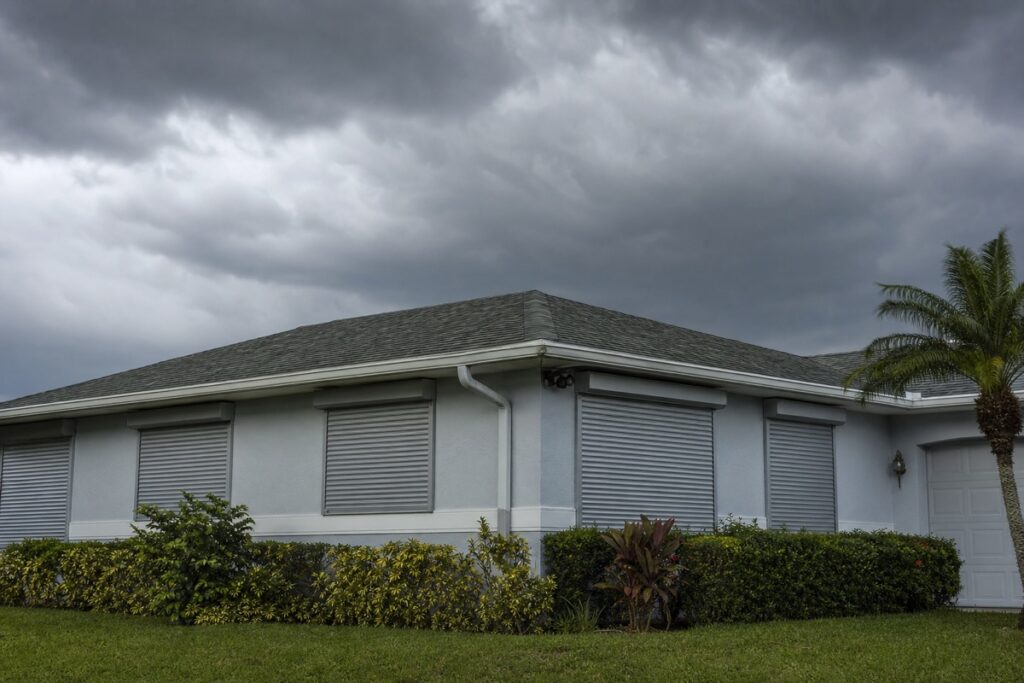
When the National Hurricane Center names a storm and puts Southwest Florida inside the cone, the clock starts. For homeowners across Fort Myers and the rest of Lee County, the difference between a stressful scramble and a calm, protected home usually comes down to the work done in the final 48 to 72 hours before landfall. At Hurricane Shutter Company, we install and service protection systems year-round, and we can tell you plainly: your shutters only protect you if they are tested, clean, and fully deployed before the wind arrives.
This guide is our homeowner action plan for preparing hurricane shutters before a storm. It is not routine off-season maintenance and it is not about shopping for new products. It is the step-by-step readiness sequence we walk our Lee County customers through when a named storm is bearing down, so every opening on your house is closed and secured before conditions deteriorate.
Start Early: Why the 48-72 Hour Window Matters
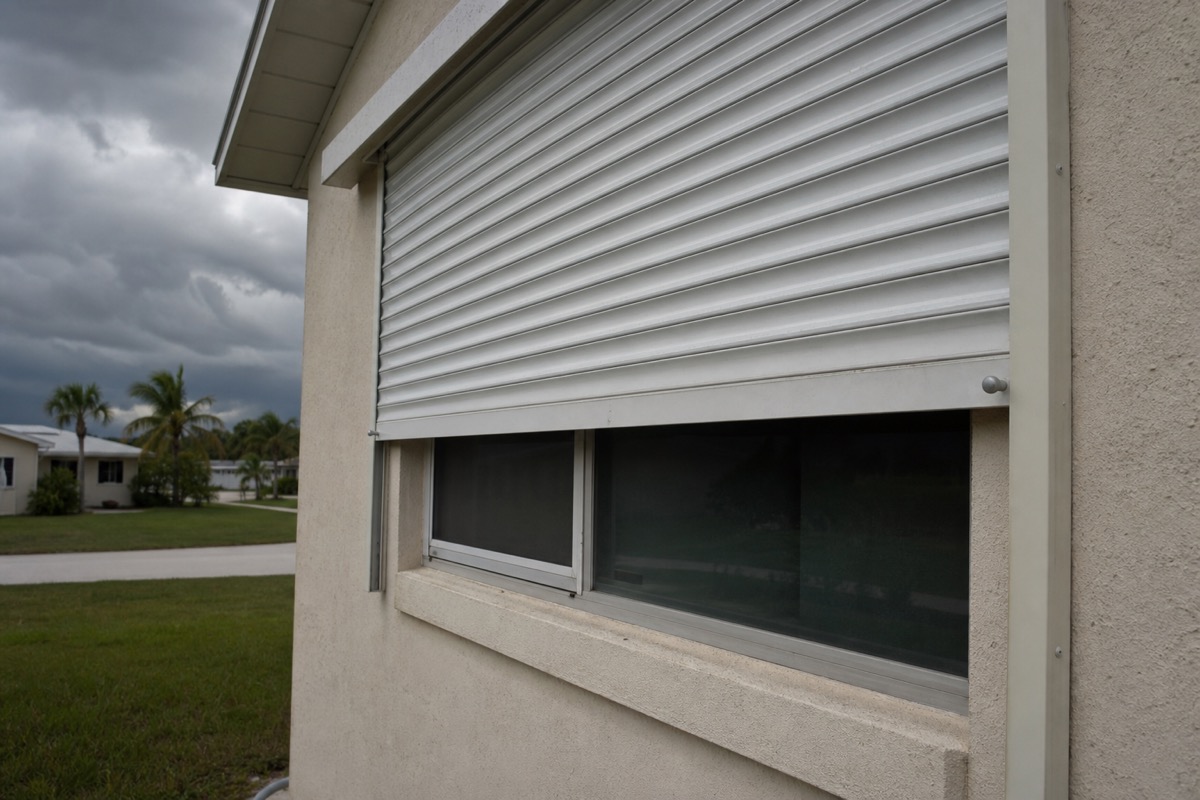
Once a hurricane watch is issued, you typically have a day or two of workable conditions before tropical-storm-force winds make outdoor work unsafe. We urge our Fort Myers neighbors to begin preparing hurricane shutters before a storm as soon as the watch posts, not the morning of landfall. Deploying panels, tightening hardware, and testing motors takes longer than most people expect, especially on a home with many openings.
Starting early also lets you catch problems while help is still available. If a track is bent, a wing nut is missing, or a motor fails to respond, you want to discover that on day one, not while bands are already moving through Lee County.
Step One: Test Operation and Clear Every Track
Before you commit to closing everything, run a quick operational test on each shutter while conditions are calm. This tells you what works, what sticks, and where you may need a service call.
- Cycle each shutter. Roll down, unfold, or slide each unit partway to confirm it moves freely without grinding or catching.
- Clear the tracks and channels. Sand, salt buildup, leaves, and insect nests collect in bottom tracks between storms, and a stuck panel almost always traces back to a dirty track. Sweep or vacuum them out.
- Lubricate sparingly. A light spray of dry lubricant on rollers and hinges helps stubborn units move. Avoid heavy grease that attracts grit.
If a shutter binds badly or refuses to move through its full range, stop and flag it. Forcing a jammed unit can bend a track or snap a component, leaving you with an unprotected window.
Step Two: Confirm Hardware, Fasteners, and Panel Inventory
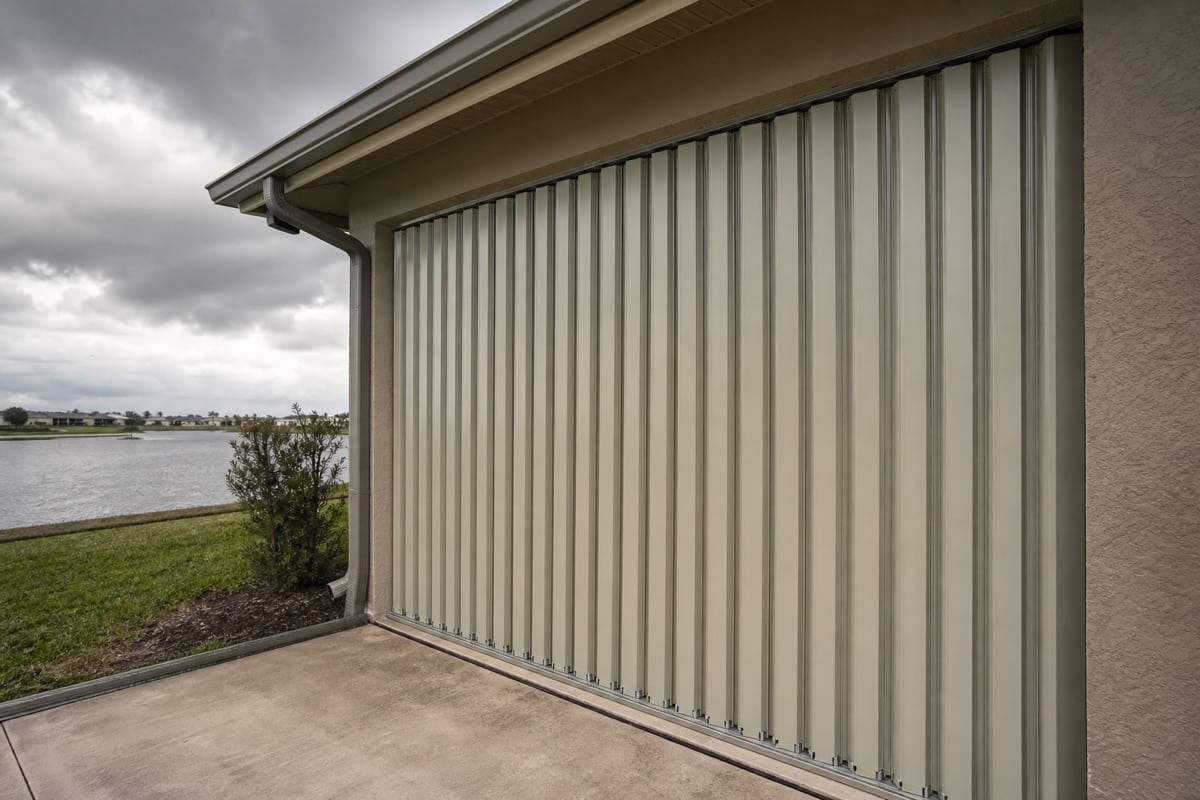
Storm panels and accordion systems depend on their hardware. Missing bolts, stripped wing nuts, or a short count of panels leaves a weak point where you need strength. Walk your home opening by opening and verify every piece is present and sound.
For Removable Storm Panels
- Count your panels against your openings so nothing is short before the winds pick up.
- Locate all wing nuts, bolts, and the header and sill tracks each panel slides into.
- Inspect anchors and studs for corrosion. Southwest Florida’s salt air is hard on fasteners, and a rusted bolt can shear.
- Stage panels by window so installation goes quickly under pressure.
For Accordion and Bahama Shutters
- Check that locking rods, center bolts, and thumb screws are present and turn freely.
- Confirm hinges and support arms are tight and not pulling away from the wall.
If you come up short on hardware, source replacements now while stores are stocked, and if you are unsure whether an anchor is sound, our team can inspect it. Our overview of hurricane shutter systems breaks down how each type is deployed and secured.
Step Three: Deploy and Secure Every Opening
With tracks clean and hardware confirmed, close the house down, working methodically so no window, door, or vent is overlooked.
- Do not skip any opening. Bathroom windows, garage side doors, and second-story openings are common misses. One unprotected pane can let wind and water breach the whole home.
- Fasten to full spec. Install every bolt and tighten every wing nut, since a partially fastened panel can peel away under sustained gusts.
- Lock accordions and rolldowns fully closed. Engage all center locks and pins so the units cannot be pried open by pressure.
- Protect the garage door. If yours is not rated for high wind, make sure its bracing or panel system is in place; it is the largest opening on most homes.
When you finish, take a slow walk around the exterior. A final visual pass often catches a loose corner or a track that did not seat.
Step Four: Motorized and Battery Backup Checks
Motorized rolldown shutters add convenience, but they add failure points too. Because they rely on power, test them before you need them, not while the grid is flickering.
- Run a full cycle on each motorized unit to confirm it opens and closes smoothly end to end.
- Charge or replace remote and backup control batteries. A dead remote is a common last-minute headache.
- Locate and test the manual override. Most motorized systems have a hand crank or emergency release for when power is out, so practice using it now.
- Close motorized shutters while you still have utility power. Do not wait for the storm to knock the grid out first.
If a motor hums but the shutter will not move, or a unit stops partway, treat it as a system that needs attention right away.
What to Do If a Shutter Won’t Close
Sometimes a shutter refuses to seat no matter what. Work the problem in order:
- Recheck the track. The most frequent cause is debris. Clear it fully and try again.
- Look for obstructions and alignment. A slightly bent track, a dislodged roller, or a jammed slat can stop travel. Gently correcting alignment sometimes frees it.
- Try the manual override on motorized units if the motor is unresponsive.
- Protect the opening as a fallback. If a single shutter truly will not close and time is running out, covering that window with rated plywood is a temporary shield.
- Call for help early. The sooner you flag a failed unit, the better the chance we can reach you before conditions turn.
Safety Comes First
No shutter is worth an injury. Do not work on ladders or roofs once winds pick up or rain moves in. Wear gloves when handling metal panels, keep children and pets clear, and never attempt exterior installation during active storm bands. If you cannot safely finish an opening, secure yourself indoors and address it when it is safe. For a sense of what professional storm-readiness service and repairs involve, our hurricane shutter cost page explains how service and installation are typically scoped.
When to Call for Emergency Service
Some situations are beyond a homeowner fix. Reach out to our team at Hurricane Shutter Company right away if you encounter any of these as a storm approaches:
- A motorized shutter that will not respond and has no working manual override.
- A track, panel, or hinge that is bent, cracked, or pulling away from the wall.
- Missing structural hardware you cannot replace in time.
- An opening you simply cannot cover safely on your own.
We would rather hear from you at the start of the window than after conditions have closed in, since early calls give us the best chance to get your home protected before landfall.
Frequently Asked Questions
How far ahead of a named storm should I close my hurricane shutters?
Begin as soon as a hurricane watch is issued for Lee County, generally 48 to 72 hours before expected landfall. Deploying panels, tightening hardware, and testing motors takes longer than most homeowners expect, and waiting until the morning of landfall leaves no margin if something needs a fix.
My storm panel won’t slide into the track. What should I check first?
The most common cause is a dirty track. Sand, salt, leaves, and insect nests build up in the bottom channel between storms and block the panel. Clear and wipe the track thoroughly, then try again. If it still binds, look for a bent section or a corroded fastener, and do not force it, since forcing can bend the channel and leave the window unprotected.
What do I do if a motorized shutter loses power during preparation?
Most motorized rolldown systems include a manual override, typically a hand crank or emergency release, that lets you close the shutter without electricity. Locate and test yours before the storm, charge remote and backup batteries in advance, and close motorized shutters while you still have utility power rather than waiting for an outage.
Preparing your shutters before a named storm protects your home, and you do not have to do it alone. If a shutter won’t close, a motor won’t respond, or you need a storm-readiness inspection or emergency service, call Hurricane Shutter Company at (239) 466-7577 or reach us through our contact page. We are here to help Fort Myers homeowners get every opening secured before the wind arrives.
Related Hurricane Protection Services
Explore the service pages and buying resources most closely tied to this topic.