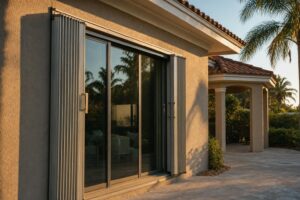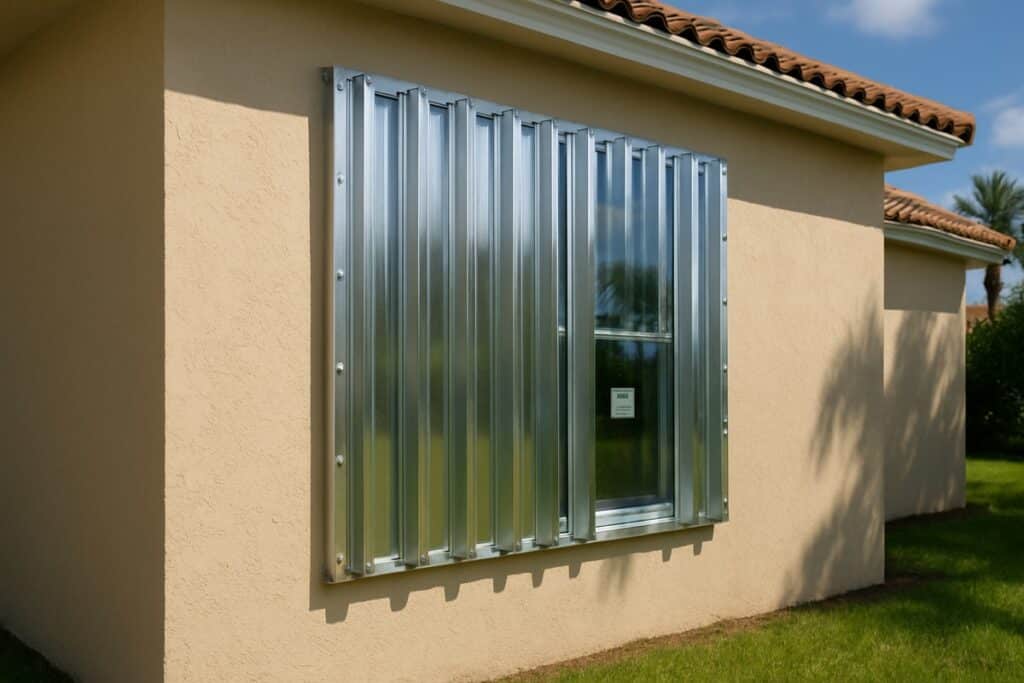
Product approval is the paperwork that connects a shutter system to tested performance, approved installation methods, and specific conditions of use. It is not just a label on a product. The approval documents help show whether the shutter, fasteners, mounting surface, and opening size are being used the way the system was reviewed.
Hurricane Shutter Co. helps Florida homeowners keep product approval questions tied to the actual openings on the home. That documentation can matter for permitting, inspections, service records, and insurance conversations after installation.
Why Product Approval Documentation Matters
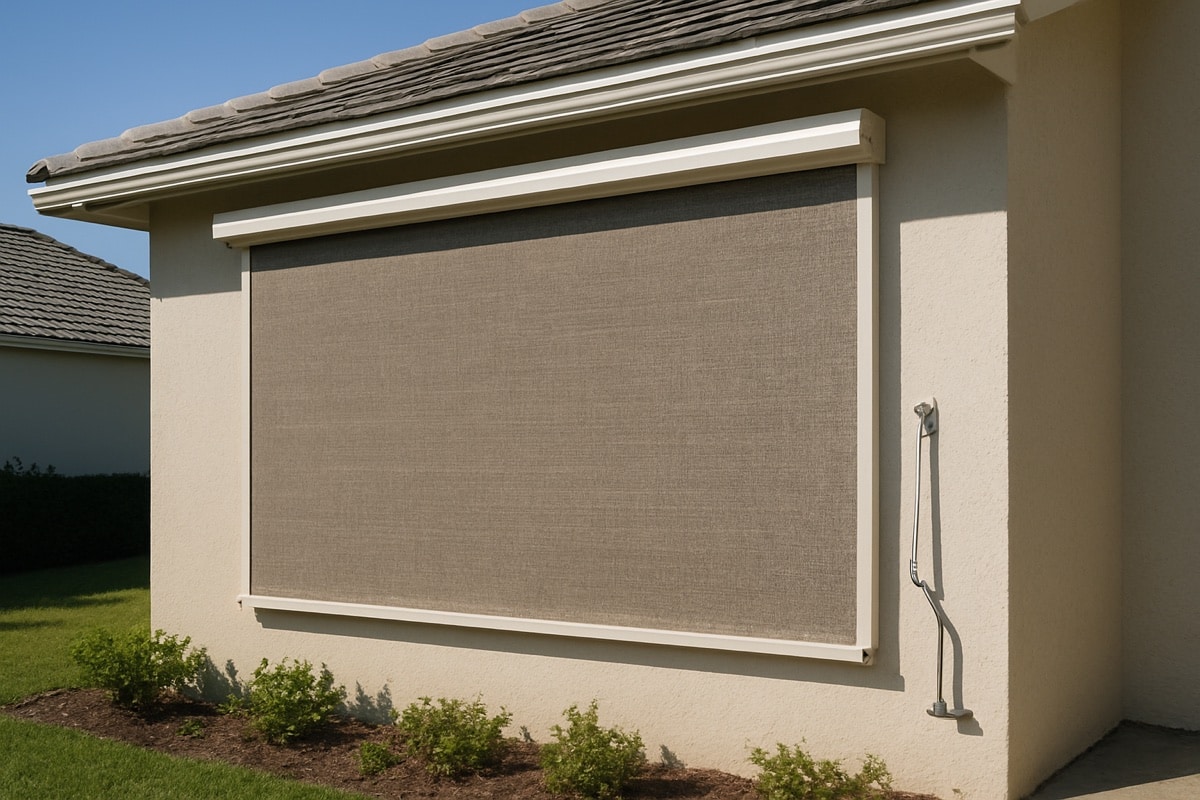
The first step is understanding what the product is really supposed to solve. Some systems are chosen because they close quickly before a storm. Others are selected because they fit unusual opening sizes, preserve visibility, add shade, or reduce the amount of seasonal setup the homeowner wants to do by hand.
Local codes and product approvals matter too. Resources like FEMA storm-hardening guidance and My Safe Florida Home resources give homeowners a better sense of why installation details, approvals, and documentation matter so much in Florida. In Fort Myers a shutter recommendation should be grounded in opening size, exposure, installation surface, and how the owner expects to use the system year after year.
What To Compare Before You Decide
Before choosing a system, compare the practical tradeoffs instead of focusing on one feature alone. Convenience, visual impact, serviceability, and budget all matter, but they do not carry equal weight on every opening. Many homeowners begin with our shutter options and then compare that choice against the spaces that are hardest to protect efficiently.
- How often the opening will need to be secured before a storm
- Whether the owner prefers permanent systems or manual seasonal setup
- How visible the hardware will be the rest of the year
- What level of maintenance and service access the product requires
It also helps to compare one product type against a second real option instead of asking for a one-size-fits-all solution. Reviewing our hurricane shutter cost guide alongside the main opening usually exposes the true tradeoff between convenience, cost, and appearance.
Product Approval Mistakes That Create Confusion
The biggest mistake is assuming the lowest upfront price is automatically the best long-term fit. In some homes that is true, but in many others the labor, appearance, or day-to-day inconvenience of the wrong product becomes frustrating quickly. The opposite mistake is paying for a premium system on openings that do not actually need it.
Homeowners also run into trouble when they wait too long. Manufacturing lead times, permitting, and installation calendars tighten up as hurricane season progresses. That is why it helps to use our contact page while there is still time to compare products calmly and document the right next step.
Planning The Right Next Step In Fort Myers

The right next step is usually a field measurement and a conversation about how the home is used. Wide patio openings, lanais, waterfront exposure, condo rules, and insurance paperwork can all change the recommendation. In Fort Myers and Lee County it pays to match each opening with the system that actually fits its job instead of forcing one product everywhere.
If you want a local estimate, call (239) 466-7577 or use our contact page to reach Hurricane Shutter Co.. A straightforward consultation makes it easier to confirm that every shutter you are considering carries the proper Florida product approval before you move forward.
Another reason to compare systems carefully is that storm protection decisions keep affecting the home long after installation day. Service access, replacement parts, seasonal upkeep, and the time it takes to secure each opening all change the ownership experience. A product that fits the home well usually feels easier to maintain, easier to document, and easier to rely on when the forecast gets serious.
How Florida Product Approval And NOAs Actually Work
In Florida, the document that ties a shutter system to tested performance usually comes in one of two forms, and we walk every homeowner through which one applies to their address. Most of the state relies on a statewide Florida Product Approval number issued through the Florida Building Commission, while Miami-Dade County maintains its own Notice of Acceptance, commonly called an NOA. Both exist for the same reason: to prove that a specific product was tested against wind-load and large-missile impact standards and that it can be installed in a defined, repeatable way. We treat these documents as the backbone of a clean install rather than an afterthought.
The detail that surprises many of our customers is that an approval is only valid when the product is installed inside the limits printed in its own paperwork. Each approval lists a maximum design pressure, allowable opening sizes, fastener types, edge distances, and acceptable substrates such as concrete, hollow block, or wood framing. If a system is rated for a certain span and the opening is wider, or if the wrong anchor is used in stucco over block, the protection on paper no longer matches the protection on the wall. We measure first, then match the opening to a system whose approval genuinely covers it, so the documentation stays honest.
What A Complete Approval Package Includes
When our team hands over documentation, we want it to stand on its own if an inspector, an appraiser, or an insurance carrier ever asks to see it. A well-organized package generally pulls together the same core pieces for every protected opening.
- The Florida Product Approval number or Miami-Dade NOA for the exact shutter model installed
- The installation instructions and anchor schedule that the approval references
- The permit and any local inspection sign-off for the work
- An itemized invoice showing which openings received which product
- Dated photos of the finished installation at each opening
Keeping these together in one place, both digitally and on paper, means a homeowner is never scrambling to reconstruct what was installed years after the fact. It also makes a future sale or a wind-mitigation inspection far smoother, because the proof of code-compliant protection is already assembled. We are always glad to re-send a copy if originals go missing.
Southwest Florida Conditions That Shape The Right Approval
Fort Myers and the rest of Lee County sit in a high-velocity wind region, and homes near the water or on open exposures often need products rated for higher design pressures than an inland home a few miles away. Salt air also pushes us toward corrosion-resistant hardware and finishes that hold up season after season. Coastal lots, second-floor openings, and screened lanais each carry their own exposure category, and the approval that fits one may be marginal on another. Because of this, we never assume a single product line will satisfy every opening on a home, and we keep the approval conversation tied to the real wind exposure at each wall.
Frequently Asked Questions
How early should homeowners start comparing shutter options?
The safest time is well before the peak of hurricane season so measurements, permitting, manufacturing, and installation are not compressed into the most stressful part of the year.
Do all openings need the same protection system?
Not always. Many homes use one solution for windows, another for sliding doors, and a different product again for lanais or wide patio spans.
Can shutters help with insurance paperwork?
Code-compliant protection can support wind-mitigation conversations, but the owner still needs the right documentation and should confirm exactly what the carrier wants to see.
Take The Next Step
For help reviewing hurricane shutter product approval documentation, call (239) 466-7577 or contact Hurricane Shutter Co. online.
Related Hurricane Protection Services
Explore the service pages and buying resources most closely tied to this topic.