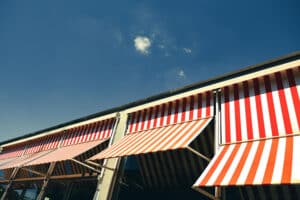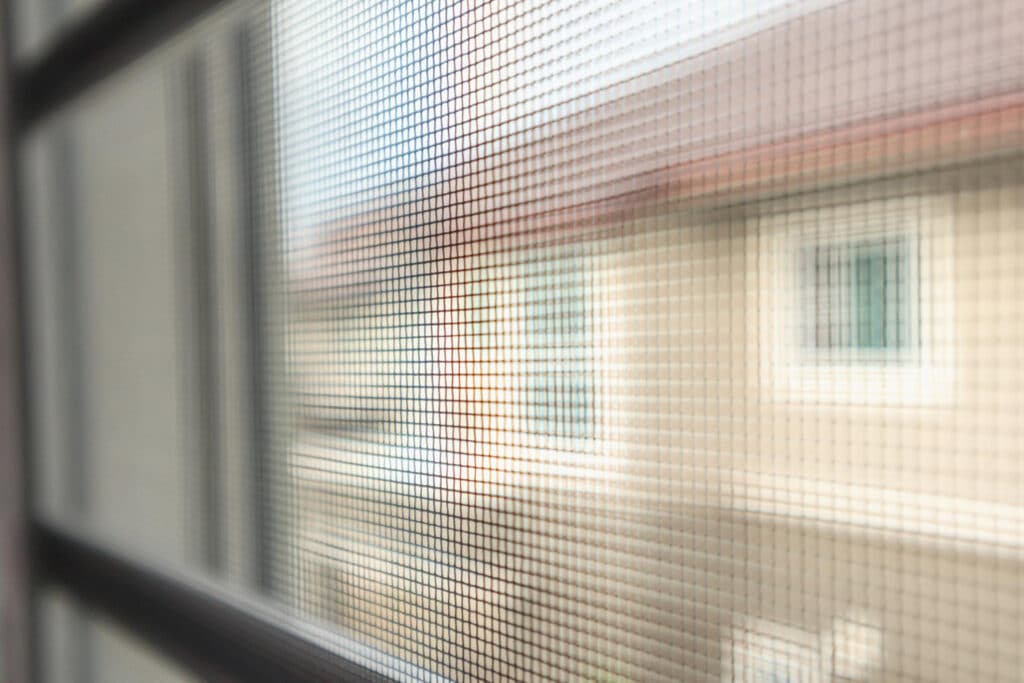
It’s easy to forget about our screens during the cooler months since Florida doesn’t get harsh winters like up north. But winter in Fort Myers can still take a real toll, especially if you’re relying on manual systems that aren’t built for changeable weather. While the mornings may start off damp and foggy, afternoons can get dry and breezy fast. That combination adds up over time.
We’ve seen how manual screens in Fort Myers start to fall short this time of year. The wind gets unpredictable, the moisture sticks around longer into the morning, and the angle of the sun still brings heat even if it feels cool outside. If your system isn’t handling those things smoothly, you might want to take a closer look before spring arrives.
Why Florida Winters Are Tough on Screens
Florida seems mild in winter, but the weather still swings around more than people expect. For screens meant to handle shade and storms, those winter shifts can be a quiet test of how well things are built.
• The wind doesn’t howl much, but it moves unpredictably. Strong gusts from the east one day, a still stale day the next. That kind of movement pulls at screen edges, especially if they aren’t tensioned just right.
• Foggy mornings are common in late January and into February. This moisture gets into tracks and screen fabric, making them swell or even rust if there’s metal involved. You might not notice until you try to open or close things after breakfast and they don’t cooperate.
• When the sun sits low in the sky, UV still hits hard. Cheaper or older materials start to fade or crack, even if it’s cooler outside. People think UV only matters in summer, but Florida doesn’t work that way.
Quality fabric or powder-coated parts can hold up better, but manual systems aren’t always protected in these quick shifts. That makes winter a slow stress test on their limits. Over time, the daily changes in dew points, combined with occasional breezes and persistent sun, wear away at even newer setups. While it may seem mild to people from other states, local weather finds weak spots quickly.
Common Problems with Manual Screens During the Season
By late winter, we start seeing the wear and tear. Manual systems that made it through the holidays just fine start acting up.
• It only takes a few foggy mornings for tracks to stick. Screens drag, or worse, won’t move at all unless forced.
• Wind tugging on fabric edges can cause fraying or even detachment from their frames.
• After just a month or two of this slow uphill battle against moisture and UV, the buildup of mildew or early corrosion gets harder to clean off.
• Roll-downs need more effort to open in the afternoon or won’t close all the way if something warped overnight.
None of this shows up all at once. It creeps in while we’re not paying close attention, when we think things are calm. But once problems kick in, they can easily carry into the busier months of spring. Some folks even notice odd squeaks or resistance when opening and closing panels. If left unchecked, these small annoyances can turn into bigger repairs later. Early detection during this season makes regular maintenance less stressful and prevents unexpected issues when outdoor living picks up again.
Why Automation Matters More in Winter Months
During windy or wet days, it’s helpful to adjust screens quickly. That’s where manual systems can really fall short. When you’re dealing with quick sunsets and sudden weather switches, every pull tab or crank feels like one step too many.
• Cold mornings followed by warm afternoons mean you might want your screens open early and closed again after lunch.
• Automated setups handle that shift without human effort, while manual screens often get left in one position and take the weather full-on.
• Regular pulling on cords and cranks wears parts faster, especially in damp conditions.
• When things need to swap fast (cover the patio, control shade, prep for rain), automation finishes the job quickly while you focus on more important stuff.
Trying to manage it all by hand becomes a burden. Especially when frames stick or fabric gets heavy with dew, automated systems let you move smoothly between setups without dealing with stuck parts or jammed tracks. It becomes especially noticeable in winter, when shifting weather patterns make frequent adjustments necessary. Automated screens give you more immediate control and help keep tracks and fabric protected when you are not home or do not have time to manage everything manually.
Better Timing for Upgrades in Fort Myers
Late January into February is a good time to think about fixes or upgrades. We’re past the biggest storms and nowhere near the spring rush. That makes it easier to work through changes on your own schedule, especially when you’re not panicking about forecasts.
• Cooler air means it’s more comfortable to inspect parts up close.
• Fog and morning moisture helps show where existing equipment is struggling.
• Many homeowners wait too long to replace failing screens. Starting now lets you compare styles and timing without racing a deadline.
• Installers often have more availability in winter, and it’s easier to plan a simple job without waiting weeks.
We find the slower season gives space to better look at what’s working and what might not be, especially when your screen system has become more frustration than help. If you take the time now to check how well your screens adjust, hold up against light rain, and block afternoon sun, you avoid problems that can make summer much less enjoyable. Giving attention to these details now saves you money and hassle as seasonal weather continues to shift.
A Better Fit for Changing Seasons
The problem with many manual screens in Fort Myers isn’t just wear and tear. It’s that they’re not made for how our seasons actually shift. Yes, our winter may look mild on paper, but moisture, wind, and late-day sun still bring real changes.
We notice problems stacking up when people wait too long. The small annoyances in January become big problems by spring, and that’s when things feel rushed. Choosing to address those nagging issues now gives more time, better options, and less hassle when spring storms do start showing up. With the right setup in place, your outdoor areas stay easier to use and less likely to need repairs every few months. That’s the kind of improvement that pays off long after winter is done.
Don’t let fluctuating winter weather continue to stress your outdated screen systems. At Hurricane Shutter Company Fort Myers, we’re ready to help you make the shift to more dependable solutions. Upgrade to our manual screens in Fort Myers for year-round reliability against the elements. Contact us today to explore how our tailored options can enhance your home’s comfort and protection this season and beyond.