In Southwest Florida, staying ready for storm season isn’t something homeowners can ignore. Every year brings a stretch of calm, but as we move closer to spring, those calm patches don’t last. Late winter is one of the better times to take a step back and really check that your storm gear still does its job.
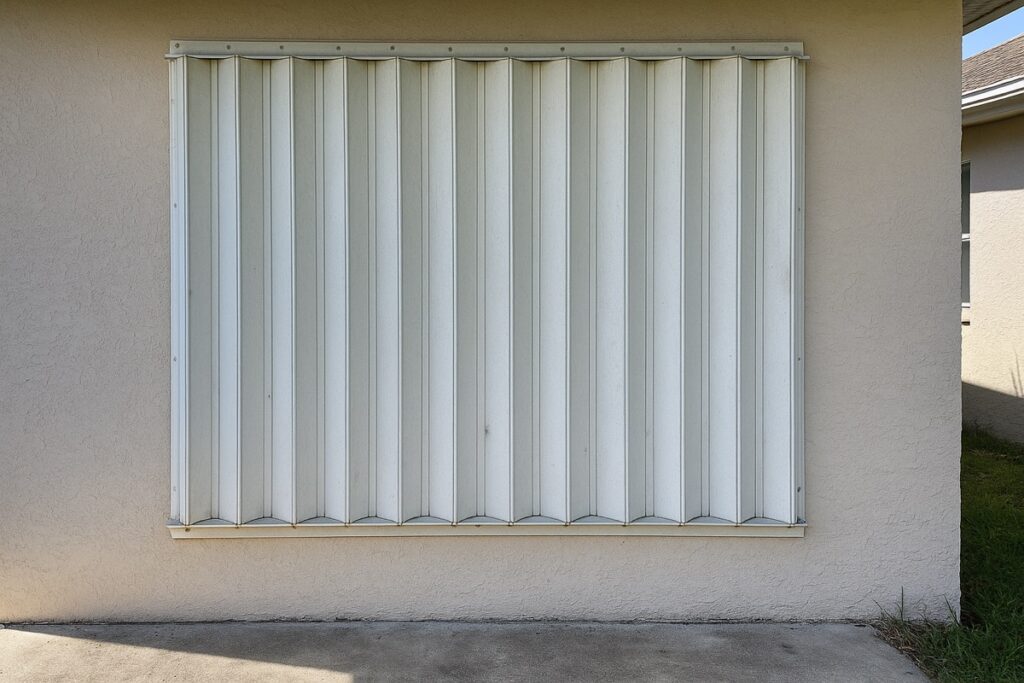
That includes accordion shutters in Estero, FL. After months of sitting unused, they can start showing subtle signs of wear that go unnoticed until the wind picks up again. Taking time now to inspect older shutters can save headaches later. We’ve seen how spring storms can hit hard and how even light wear can become a problem fast. Knowing what to watch for helps make better decisions about repairing or replacing the shutters before they’re tested again.
Signs Your Shutters May Be Wearing Out
Some shutters age quietly. Others let you know quickly that something’s off. Here are a few common signals that your current setup might be wearing down.
• Cracks or dents in the slats or along the guide tracks can keep shutters from moving like they should
• Rust on hardware or seams can weaken locking points or hinges
• If you have to force them open or closed, the system may be misaligned or the tracks could be worn
• A scraping noise, popping sound, or shutters that wobble when moved are signs something isn’t holding steady
• If they jam up completely or fight back when you try to slide them, that’s a bigger flag
Most people spot these issues during an early spring cleanup or while getting the patio ready again. If anything feels harder than it used to, that deserves a closer look.
Florida Weather and Seasonal Stress on Shutters
Living this close to the Gulf means weather doesn’t stop working just because hurricane season is over. Even in winter, salt air sticks to surfaces, sunlight wears down finishes, and damp air makes its way into hinges and joints. It all adds up over time.
We see the outdoor hardware on shutters start to show wear around this season. Even when shutters haven’t been used in months, they’ve been sitting out in the breeze, sun, and overnight moisture. If a system gets stuck or parts corrode, it may be hard to tell until you try sliding them. By then, the damage might be deeper than what’s visible.
Humidity in winter still lingers close to the surface. That mix of moisture and cooler morning temps can stiffen moving parts, especially if shutters haven’t been cleaned recently. One breeze carrying salt air through an unsealed strip can start a rust spot even in February.
It often surprises homeowners how quickly hardware can start showing problems even without much action. Sometimes, a simple test run during late winter can uncover creaks or sluggish movements that would go unnoticed until it’s too late. Cleaning and checking now helps prevent bigger problems down the road and ensures that these important systems are able to handle whatever the coming spring might bring.
How Long Do Accordion Shutters Typically Last?
The average Florida shutter system doesn’t live forever. We tend to see accordion shutters holding up well for several years, but the lifespan depends on how well they’re maintained and how much direct exposure they get.
Daily sun, salty breezes, and year-round moisture take a toll faster than most people expect. Paint fades, seals crack, and hardware doesn’t glide like it used to. We’ve seen panels that seem fine at first glance but fall short when put to the test in April storms.
There comes a point when patching up small problems just isn’t worth it. If we’re replacing rollers or bolts every time we check a unit, that may be a sign that full replacement is a smarter move. Systems are supposed to protect, not cause worry every time there’s a warning.
When storms approach, homeowners need coverage they don’t have to second-guess. An older set of shutters may look presentable, but hidden wear or invisible metal fatigue can quickly show itself when strong winds arrive. This is especially true if shutters have seen years of regular use or weathered multiple hurricane seasons in Estero, FL. Deciding on replacement before you’re forced to can often save both hassle and money in the long run, keeping your home and family safer.
Why Late Winter Is a Smart Time to Reassess
We get a break from the summer heat around February. That makes now a good time to look at what needs attention before conditions shift into spring mode. Mornings are cooler, winds mild, and the risk of pop-up showers stays lower, perfect for inspecting gear that sits outside all year.
It’s easier to plan adjustments and spot hidden wear right now, rather than rush through solutions closer to May. At the same time, this season starts to bring stronger breezes and longer stretches of sunshine. Whatever shape the shutters are in now, it’s going to show soon.
Getting ahead means more options and less pressure. We can take our time deciding what’s next without the stress of a forecast looming overhead.
Seizing this window of opportunity isn’t just about comfort, it’s about being proactive. When shutters work smoothly and look solid during late winter inspections, there’s a better chance they’ll continue to provide dependable protection when unpredictable spring weather sets in. If you notice any sluggishness or minor issues now, addressing them before heavy rains arrive just makes sense and helps avoid costly emergency repairs.
Choosing Replacement That Works for Southwest Florida
If replacement ends up being the right move, it helps to keep our area’s weather in mind. Shutters need to be strong, sure, but they also need to hold up against this climate throughout every season.
• Look for systems built to resist salt air and strong sun, not just wind
• Aluminum holds up better than most other materials when it comes to moisture and UV
• Sealed tracks, covered hinges, and strong locking systems help keep things working longer
• Lighter color coatings reflect more sun and hold less heat over time
• Choose systems that glide smoothly with minimal effort, this becomes more important under pressure
Homes closer to the coast may need slightly different features compared to those that sit farther inland. Either way, the goal is to have shutters that stay dependable starting in spring and lasting through the next storm run.
Newer shutter designs keep low maintenance in mind. Besides lasting longer and offering sturdier protection, well-built replacements also offer easier operation for all members of the household. So, when you’re looking at possible upgrades, comfort, reliability, and smooth use should all factor into the decision.
Lasting Value with Professionally Installed Accordion Shutters
New accordion shutters, installed by our team, are designed to meet Florida’s current building codes and can be custom-fitted to any opening. We use heavy-duty aluminum and stainless steel hardware that stand up to the coastal environment. This helps ensure smooth operation, lower upkeep, and makes preparing for storms a quicker and safer process.
If you’re looking for units that can match your home’s color scheme or style, many accordion shutter systems come with color options and low-profile tracks for less visual interruption, all while meeting Miami-Dade and Florida Product Approvals.
It’s not just about storm safety. Professional installation can deliver better curb appeal, added peace of mind, and less hassle year after year. Choosing trusted products that offer warranties and solid support makes the investment work harder for you.
Ensure your home’s security and functionality this storm season by upgrading your shutters. If your protective systems show signs of wear, consider investing in reliable new solutions. Explore the robust options for accordion shutters in Estero, FL, designed to withstand the harsh Florida climate. Trust Hurricane Shutter Co. Fort Myers to guide you in making the best decision for your home’s safety and longevity.
Related Hurricane Protection Services
Explore the services and local pages most closely connected to this topic.
Need help choosing the right solution? Call (239) 466-7577 for a consultation.
Frequently Asked Questions
Are accordion shutters a practical option for Fort Myers homes?
Accordion shutters stay attached to the home year-round, close quickly before a storm, and work well for openings homeowners want to secure without storing loose panels.
How often should accordion shutters be serviced?
A seasonal inspection, track cleaning, and hardware lubrication usually keeps accordion shutters operating smoothly and helps catch wear before hurricane season ramps up.
Can accordion shutters help with insurance documentation?
Properly installed code-compliant shutters can support insurance and wind-mitigation paperwork, but homeowners should confirm the exact documentation their carrier requires.